







Cleanroom Equipment
Bilik bersih tingkap kaca ganda
Tingkap kaca berganda bilik bersih, juga dipanggil sebagai tingkap kaca penebat, ia adalah produk di mana dua lembaran kaca dipasang dengan bingkai aluminium dan disegel dengan pengedap untuk membentuk ruang gas kering antara lapisan kaca atau diisi dengan gas inert.
Minta sebut harga percuma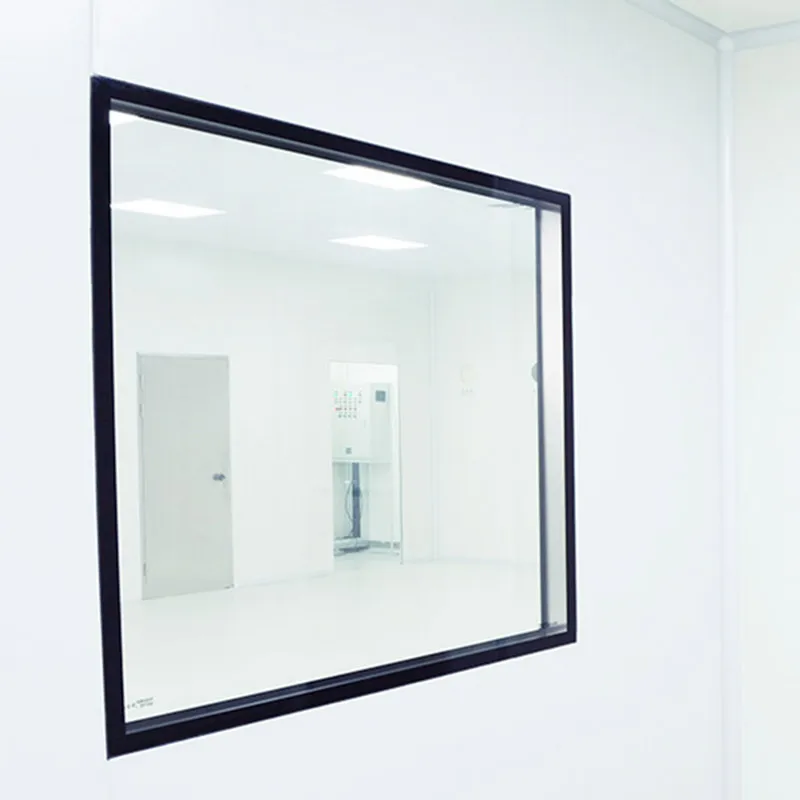
Tingkap Kaca Double Bilik Bersih: Ketepatan, Kejelasan & amp; Pematuhan untuk Persekitaran Berprestasi Tinggi
Dengan lebih daripada dua dekad pengalaman langsung merancang dan menentukan infrastruktur bilik bersih di seluruh pabrik semikonduktor, kemudahan biofarma, teluk pemasangan aeroangkasa, dan makmal optik ketepatan, I & rsquo; telah melihat bagaimana komponen yang kelihatan kecil— sepertiBilik bersih tingkap kaca ganda — boleh memberi kesan yang ketara kepada kesinambungan operasi, kawalan pencemaran, dan kecekapan penyelenggaraan jangka panjang. Ini ialah & rsquo; Hanya mengenai visibiliti. Ia & rsquo; s tentang kestabilan haba, integriti zarah, keserasian struktur denganMalaysia bilik bersih prafabrikdan integrasi lancar ke dalamSistem bilik bersih modular Malaysia . Tidak seperti alternatif tetingkap tunggal atau sisipan akrilik retrofit, unit kaca ganda kami direka untuk prestasi dunia sebenar: kawalan nilai U yang konsisten, risiko penyusunan sifar pada antara muka kritikal titik embun, dan penjarasan penuh dengan ISO 14644-1 Kelas 3 & ndash; 8 persekitaran. Beliau & rsquo; ditentukan semula— tidak dipilih— sebagai sebahagian daripada sistem sampul utama, tidak ditambahkan sebagai pemikiran selepas.
Spesifikasi Teknikal: Direka untuk Konsistensi di seluruh Aplikasi
| Parameter | Spesifikasi |
|---|---|
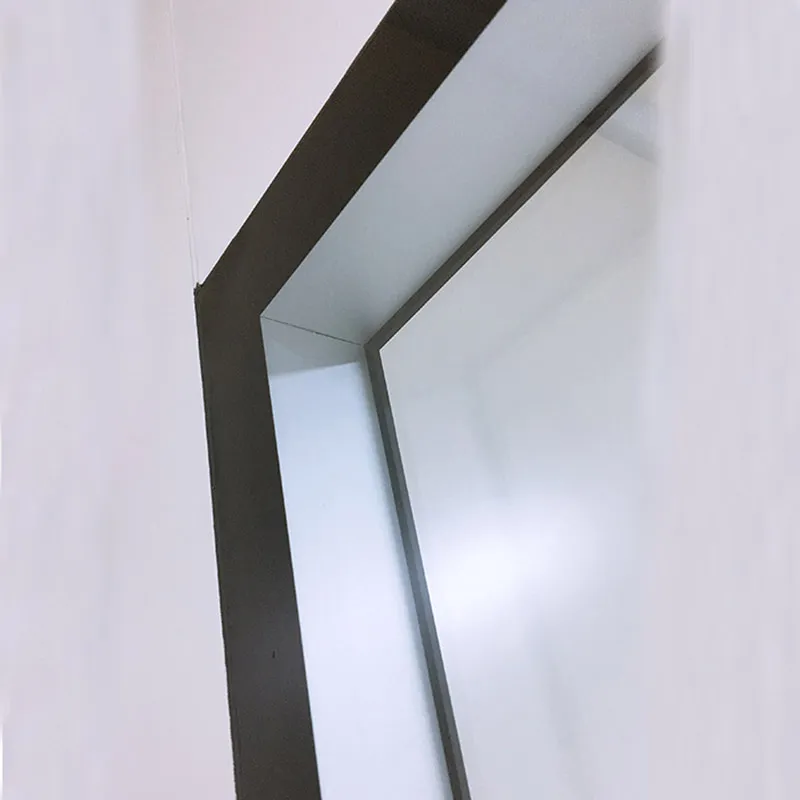
| Pembinaan | Dua tetingkap kaca besi rendah (6 mm + 6 mm), rongga yang diisi argon 16 mm, spacer keluli tahan karat tepi hangat |
| Nilai U | & kumpulan; 1.3 W / m & sup2; & Perkhidmatan; K (diuji mengikut ISO 10292) |
| Bahan bingkai | Aluminium anodized (6063-T5), RAL 9006 bersalut serbuk atau perlawanan tersuai |
| Sistem Seal | Gasket silikon dua peringkat + meterai pemampatan perimeter EPDM |
| Penilaian Kebakaran | Kelas B1 (ASTM E84, teras tidak terbakar, ketumpatan asap ≤ 50) |
| Penyebaran Zarah | Kelas ISO 1 selesai permukaan yang mematuhi (Ra ≤ 0.4 &mikro;m pada tepi sentuhan bingkai) |
| Keserasian Pemasangan | Antara muka standard untuk ketebalan dinding 100– 300 mm; serasi denganbilik bersih dinding partition kaca, bilik bersih dinding partition kacadanbilik bersih dinding kacakonfigurasi |
Integrasi Dunia Sebenar: Di mana Kejelasan Memenuhi Fungsi Kritik
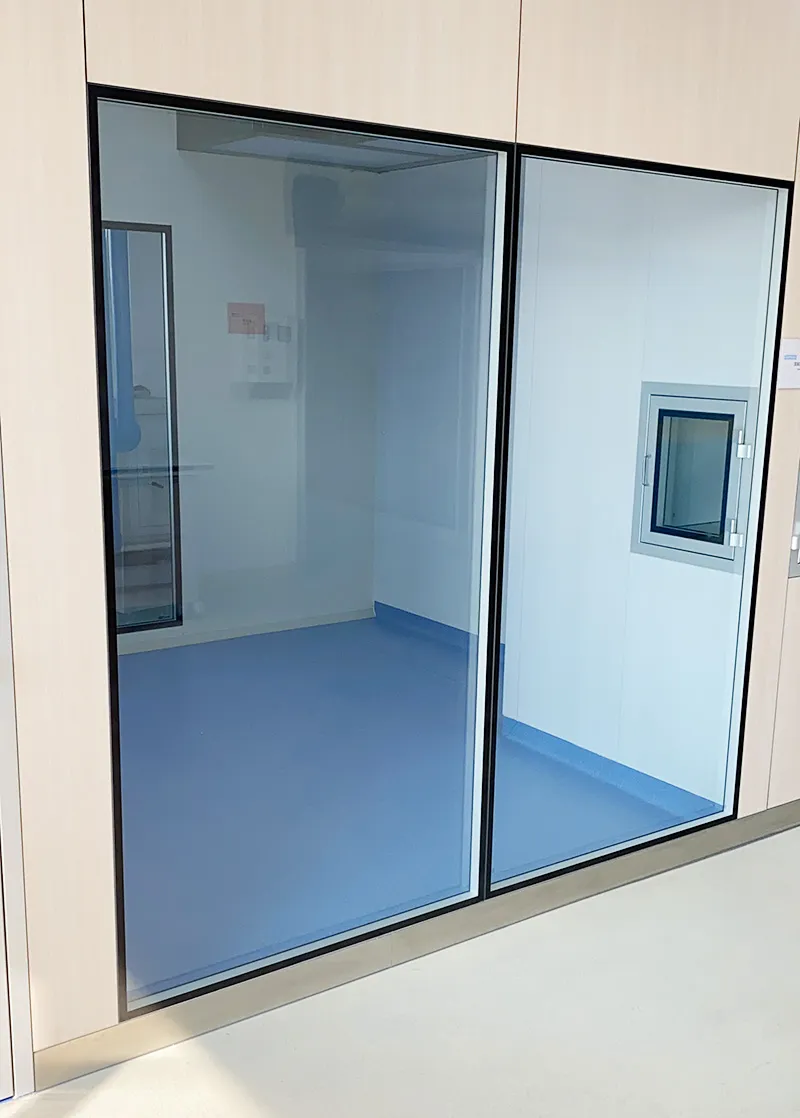
Dalam pembuatan hujung depan semikonduktor, penglihatan melalui koridor proses tidak boleh mengkompromikan bilangan zarah. KamiBilik bersih tingkap kaca gandadipasang secara rutin antara bilik alat litografi dan zon pemantauan— meterai hermetiknya mencegah pencemaran silang semasa pemindahan wafer, manakala kejelasan optiknya menyokong pengesahan pengendali jauh tanpa membuka interlock. Dalam suite isi-selesai biologi, ia berfungsi sebagai antara muka pandangan utama untuk port sarung tangan pengasingan dan halangan RABS; dipasangkan dengan aReka bentuk pintu kacayang sepadan dengan profil bingkai dan perbezaan tekanan. Untuk kawasan susunan komposit aeroangkasa, unit & rsquo; kestabilan haba menghapuskan kabut semasa perubahan kelembapan yang cepat— kritikal apabila memeriksa prepreg serat karbon di bawah keadaan persekitaran yang dikawal.
Kami bekerjasama rapat dengan pasukan kejuruteraan— bukan perwakilan jualan— untuk memastikan setiap unit diintegrasikan dengan sistem sampul yang sedia ada. Termasuk menyelaraskan denganbilik bersih panel kacapemasangan dinding, menyokong keperluan beban untuk titik akses kren atas di bilik bersih sel bateri automotif, dan menampung pemasangan yang direndahkan getaran di makmal interferometri optik. Syarikatpintu kacadanPintu kaca bilik bersihsistem yang kami bekalkan berkongsi toleransi bingkai yang sama, membolehkan dinding kegunaan campuran di mana pemerhatian, akses, dan pengendalian wujud bersama tanpa ketidakkontinuiti visual atau fungsi. Walaupun kita bukanpintu kaca kilangdalam makna tradisional, rakan pengeluaran kami mematuhi protokol ISO 9001 yang sama yang digunakan untukSistem bilik bersih modular Malaysia , memastikan pengulangan dimensi merentasi kumpulan— juga untuk projek yang merangkumi pelbagai tapak ASEAN.
Untuk barisan pembungkusan gred makanan yang memerlukan basuh yang kerap, perimeter tingkap yang lancar dan bebas celah menahan perangkap mikroba; disahkan di bawah simulasi kitaran pembersihan EN 16602-70-02. Dalam pengendalian lorong sejuk pusat data, ia membolehkan pemantauan haba tanpa mengkompromikan integriti aliran udara. Dan untuk aplikasi tenaga baru— seperti bilik salutan elektrod bateri keadaan pepejal & mdash; unit & rsquo; rintangan terhadap penembusan wap pelarut mengekalkan kejelasan jangka panjang dan integriti struktur di mana meterai konvensional merosot.
Sama ada anda menyelesaikan skema untuk kemudahan mRNA yang mematuhi GMP di Pulau Pinang, menjalankan bilik bersih Kelas 1000 untuk elektronik kuasa EV di Johor Bahru, atau menaik taraf zon HVAC di makmal optik warisan di Kuala Lumpur, komponen ini memberikan ROI yang boleh diukur; bukan melalui tuntutan pemasaran, tetapi melalui lebih sedikit pesanan perubahan, usaha pengesahan yang lebih rendah, dan pematuhan yang berterusan dari masa ke masa. Ia & rsquo; Bukan hanya tingkap. Ia & rsquo; s antara muka yang dikalibrasi antara pengawasan manusia dan kawalan alam sekitar.
Get a project-specific quote in 24 hours
Send your cleanroom classification, floor area and finish requirements. Our Malaysia-based engineering team replies with a stamped datasheet, fire certificate and pricing — 7×24 technical support by email, phone or WhatsApp.
Minta sebut harga percuma Chat on WhatsApp